
Spray Drift in NSW: What to Do When It Crosses the Fence
In the Gwydir Valley, where cotton and grain farms sit side by side across hundreds of thousands of hectares, spray drift incidents get taken seriously. Some seasons they've been costly. Knowing what to do in the first 24 to 48 hours, whether you're on the receiving end or the sending end, can be the difference between a manageable situation and a protracted dispute that nobody wins.
Drone Spraying vs Optical Spot Spraying: What's Worth It on Broadacre Country
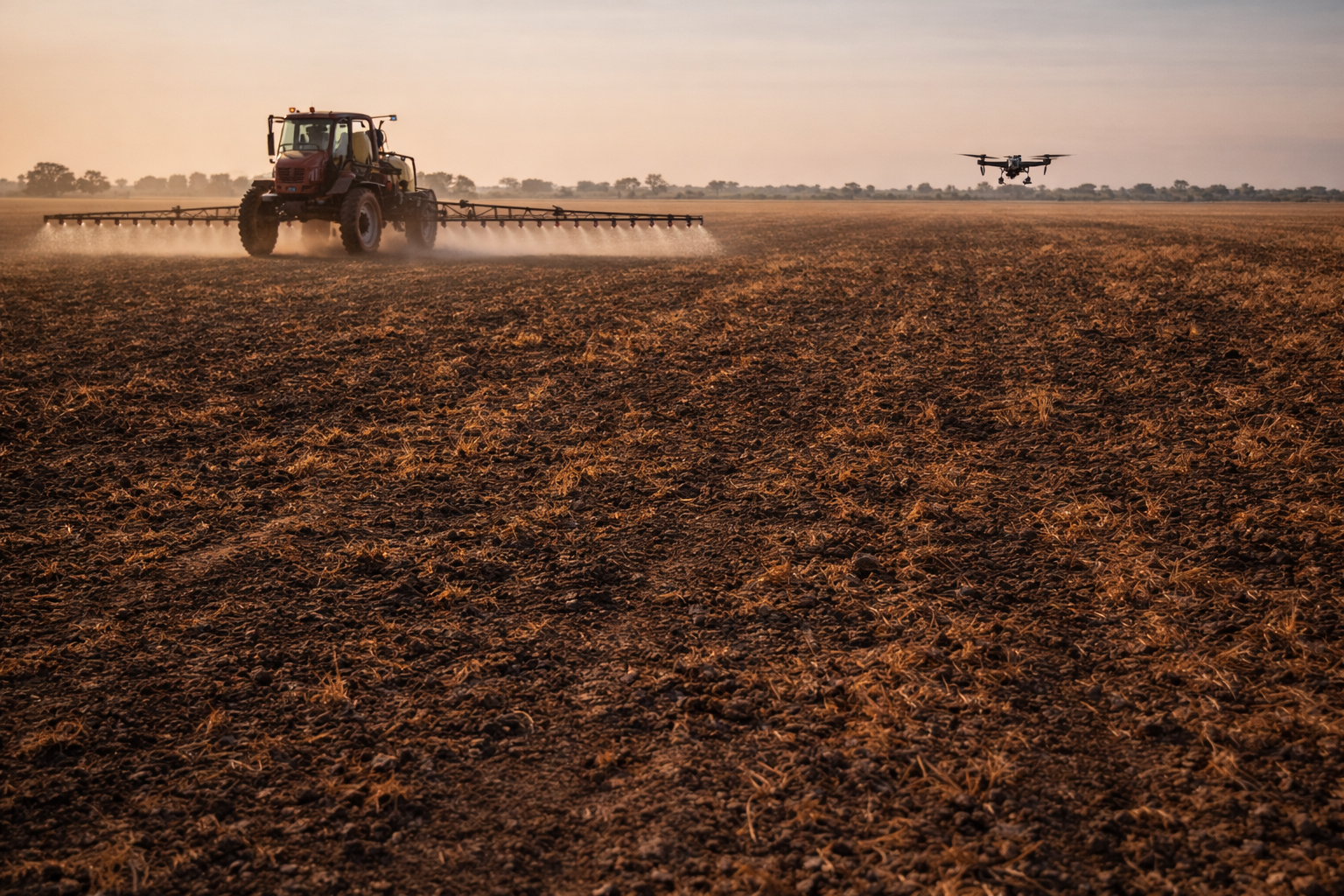
Agricultural drones get a lot of attention. Optical spot spraying gets less, but in the northern grains region it's been delivering real chemical savings for over 20 years. Understanding what each technology actually does, and where ground rigs still win, is one of the more useful precision ag decisions a North West NSW farmer can make right now.
Sprayer Calibration for Broadacre Farmers
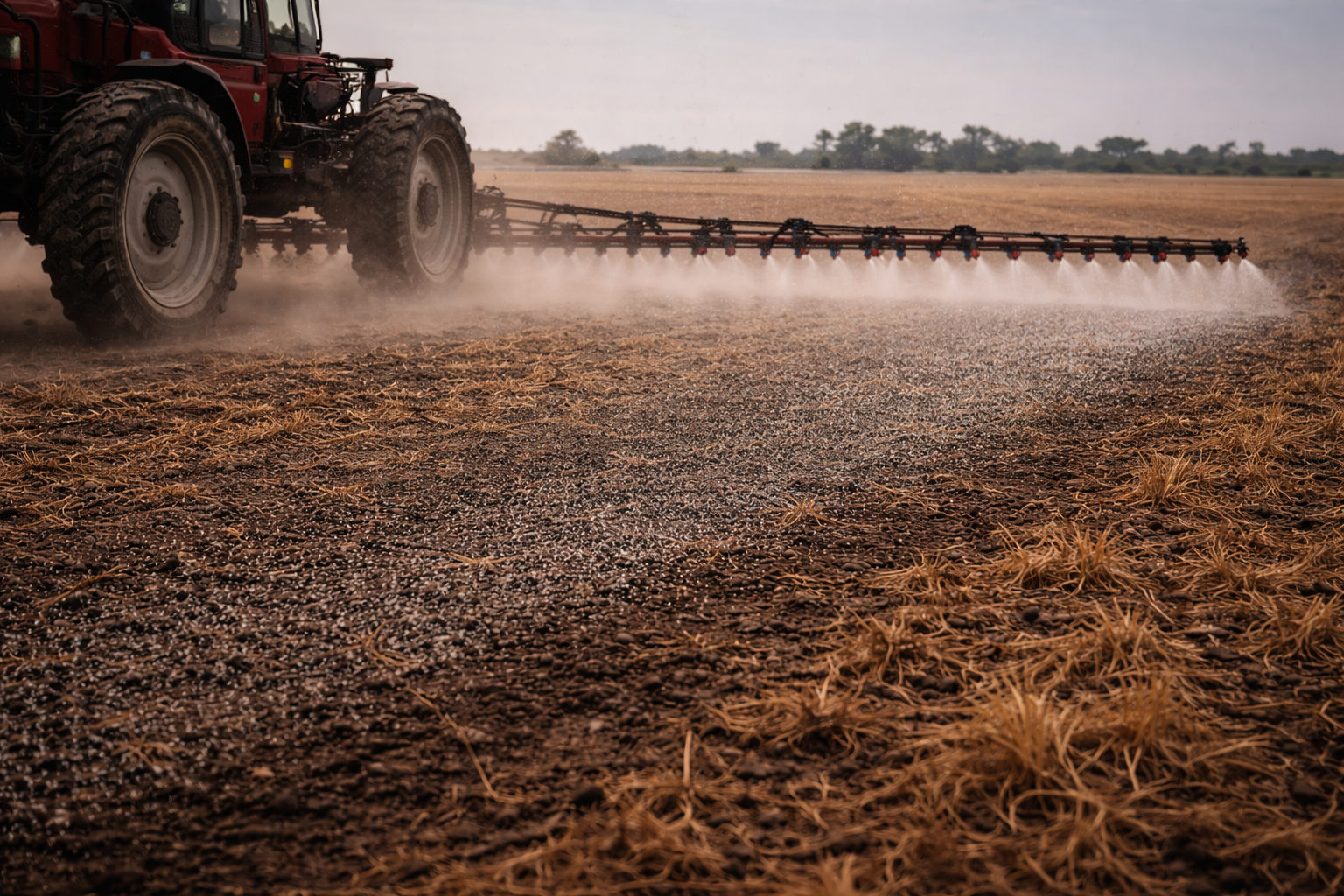
A sprayer that's out of calibration is quietly expensive. Over-apply and you're burning chemical budget for no extra benefit. Under-apply and weeds survive, your program breaks down, and you're up for a re-spray. Across a large broadacre program north of Moree, even a 10% error in application rate multiplies fast. Calibration isn't complicated. It just has to happen.
Herbicide Resistance: What Northern NSW Farmers Need to Know
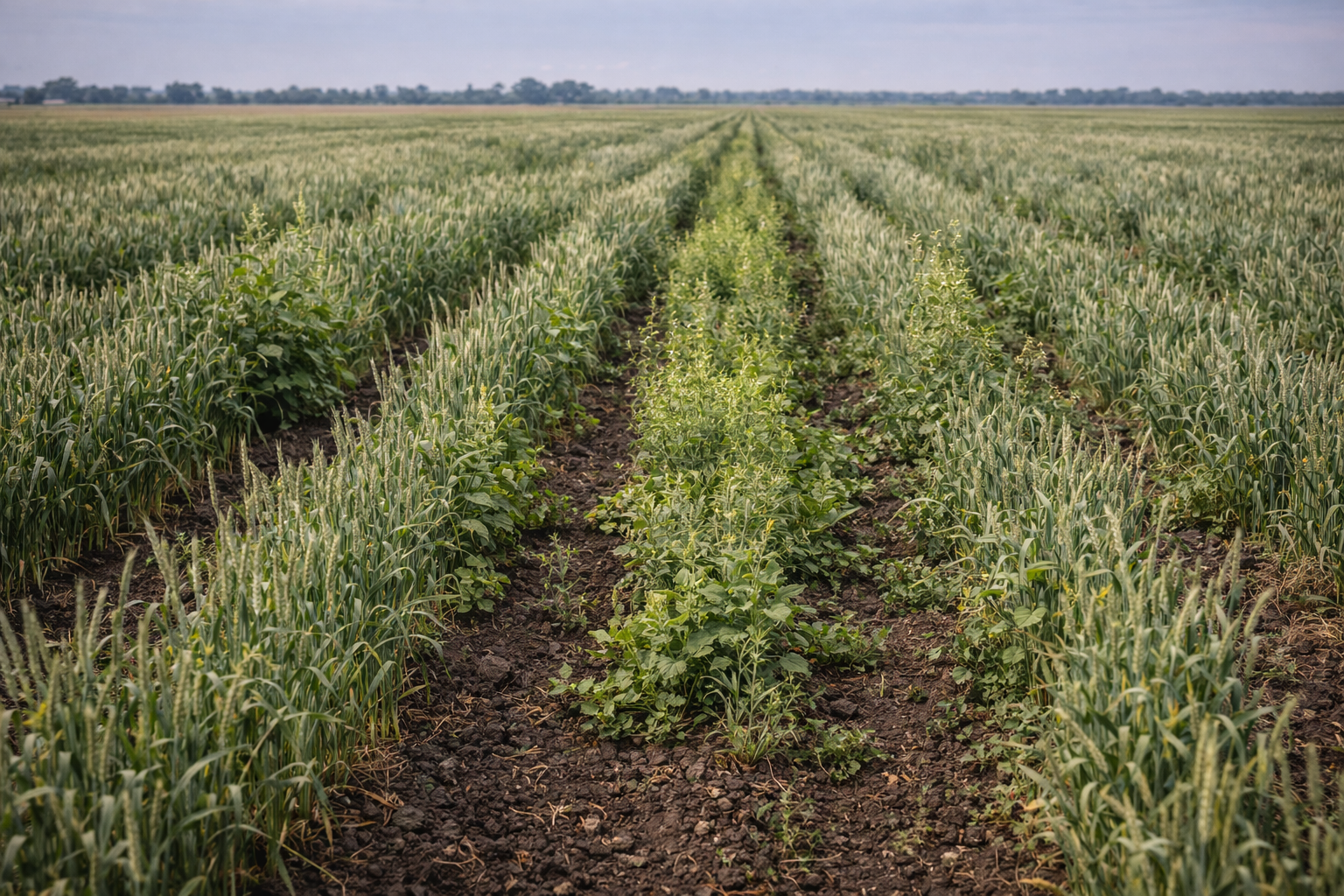
Herbicide resistance isn't coming to North West NSW. It's already here. Weed populations resistant to Group A, B, C, K and M herbicides have been confirmed across the northern grains region. Annual ryegrass, barnyard grass, fleabane, sowthistle — they're all on the confirmed list. And once a herbicide loses effectiveness on a paddock, you don't get it back. What you can do is slow the process and protect the chemistry that's still working.
Best Time to Spray Your Crops in NSW
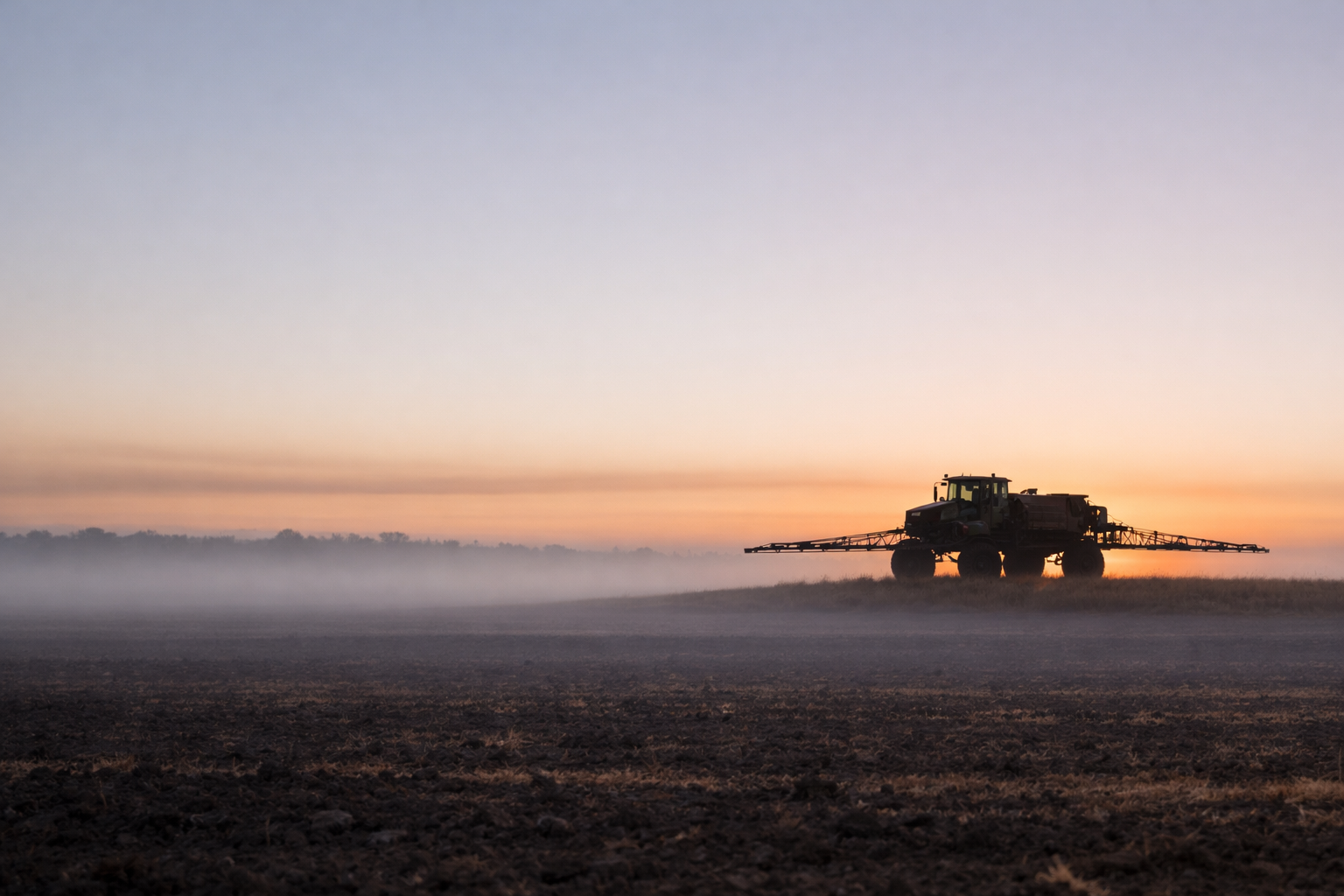
There's a narrow window between 'conditions are good' and 'you're drifting onto the neighbour's cotton.' In North West NSW, that window can be as short as two hours on a summer morning. Getting the timing right doesn't just protect your neighbours — it determines whether the spray job actually works.
Why Spray Timing Matters More Than Most NSW Farmers Think
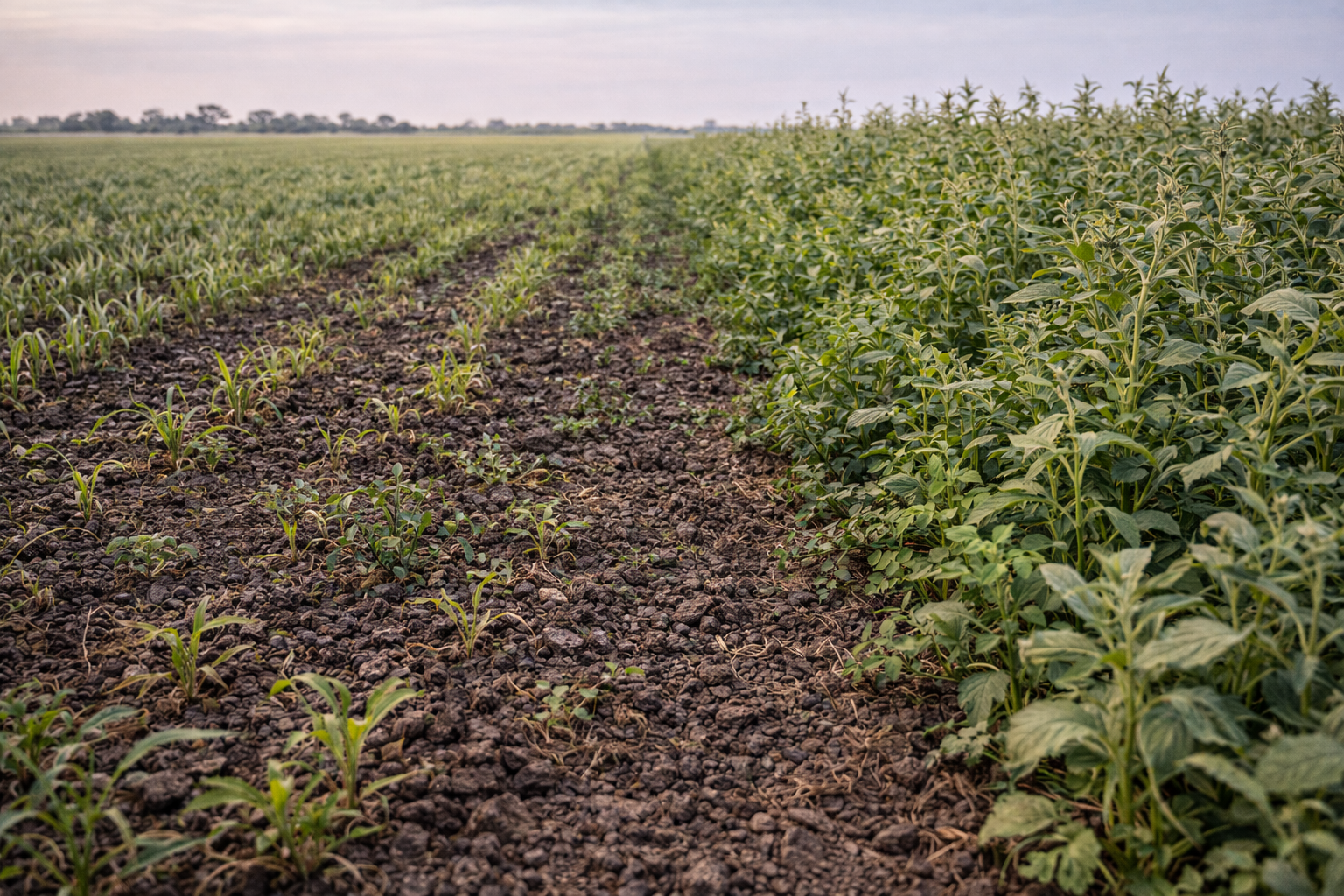
Weeds are patient. They don't care that it rained all week, that the contractor was booked out, or that Delta T was marginal for three days running. They just keep growing, pulling the same water and nitrogen your crop needs, and quietly banking seed that'll cost you more to deal with next season than they did this one.
In North West NSW, where paddock sizes are large and margins don't leave much room, a spray job that goes on two weeks late doesn't just clip this year's yield. The effects follow you into the next rotation. Here's what the numbers actually look like.
NSW Spray Regulations: What You Need to Know Before You Start
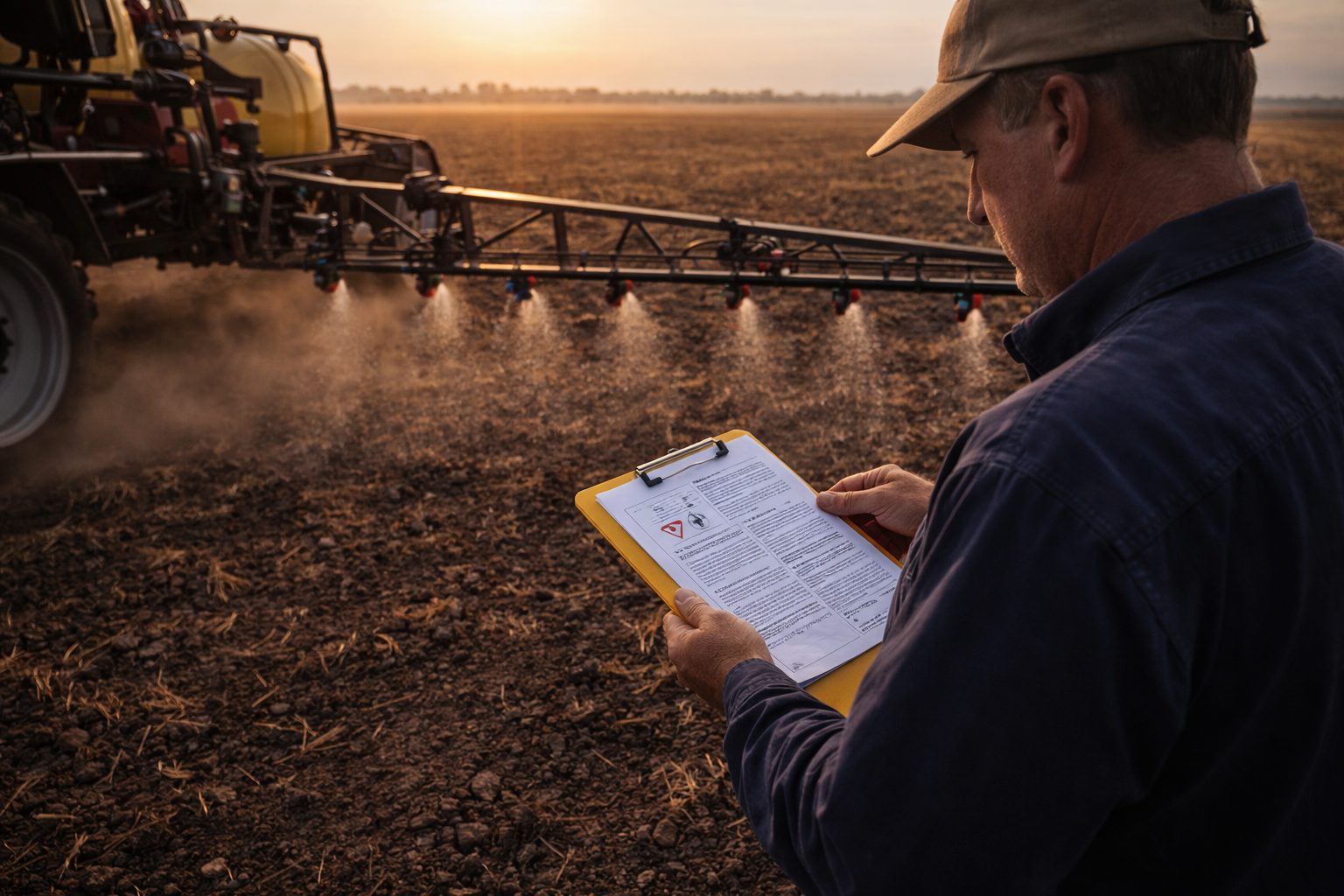
The label is the law. That's the short version of pesticide regulation in NSW, and it's the most important thing you can take from this article. Getting it wrong means fines, EPA investigations, and potential liability for crop damage that can run into hundreds of thousands of dollars. The rules aren't hard to follow, but you do need to know what they are.
How to Prevent Spray Drift in North West NSW
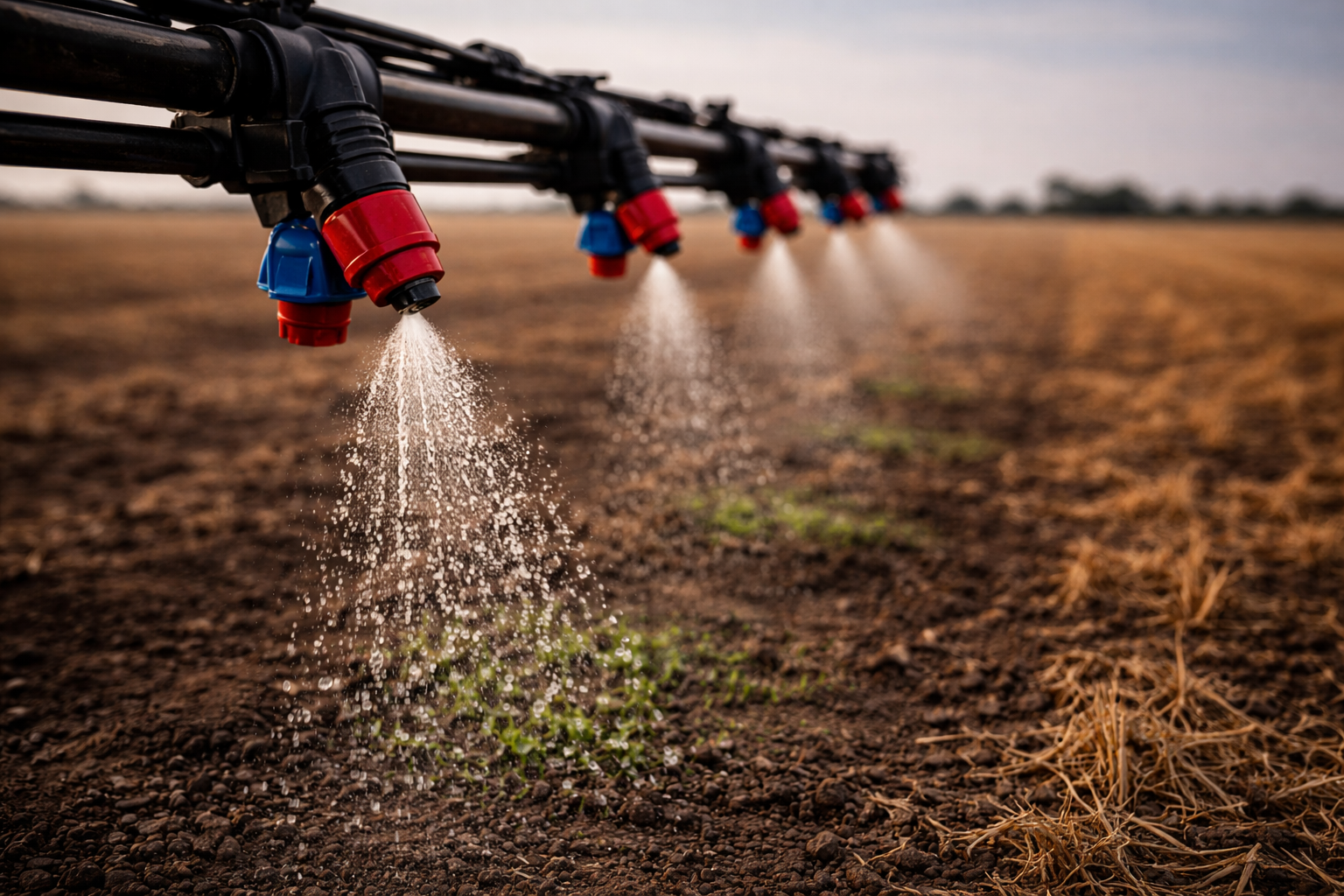
Spray drift in the Gwydir Valley isn't a theoretical risk. In the 2022-23 season, 48% of NSW cotton growers were affected by off-target spray, costing an average of $254,000 per farm. The country around Moree, Narrabri, Wee Waa and Collarenebri doesn't have the luxury of wide separation between crop types. Wheat, chickpeas and irrigated cotton sit side by side. Getting drift prevention right isn't optional.
The Weather Rules That Make or Break a Spray Job in NSW
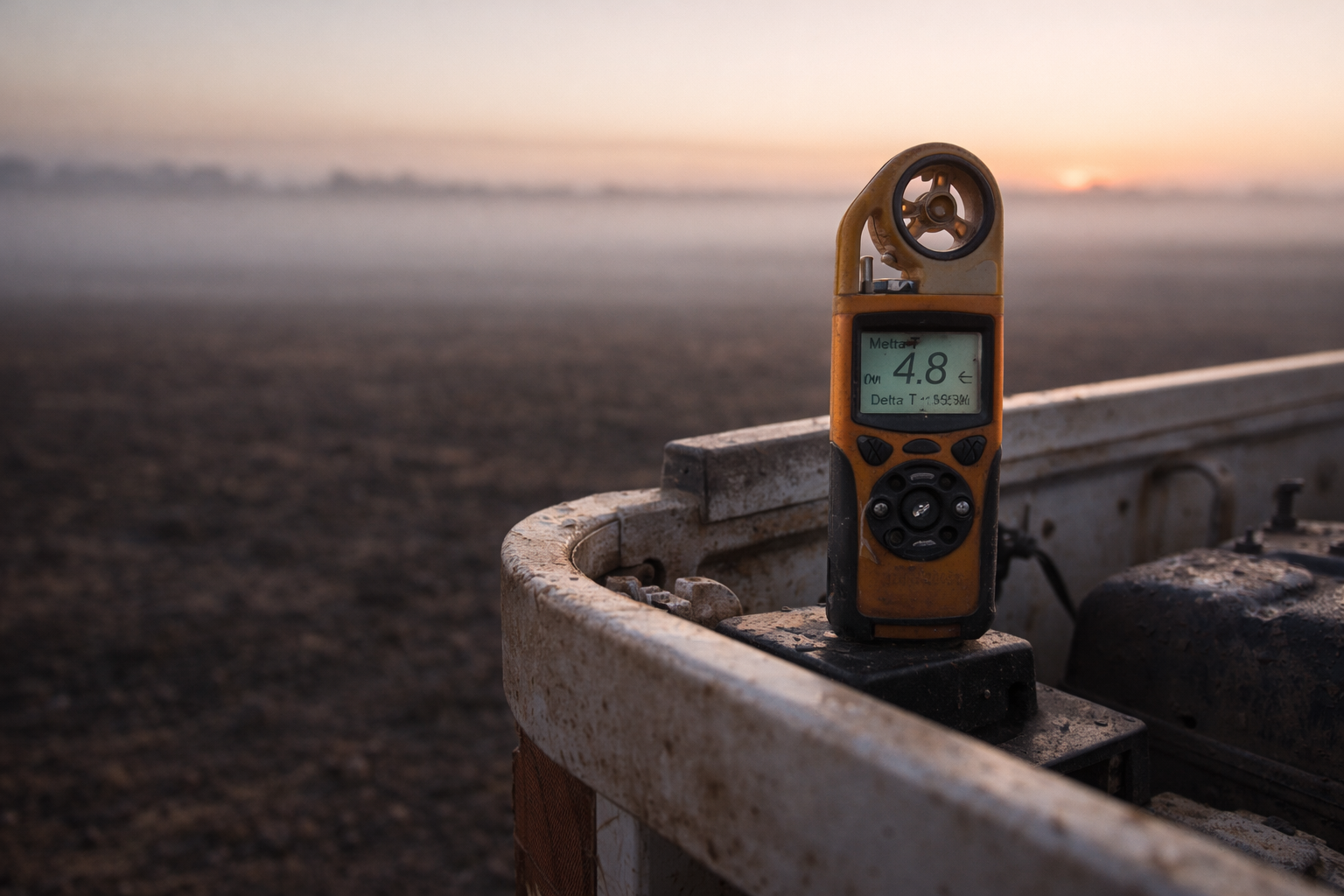
Ask any experienced spray operator on the Moree Plains what kills a spray job and they'll tell you straight — it's not usually the wrong product or the wrong rate. It's the wrong weather. A morning that looks calm, clear and perfect can hide a temperature inversion that'll carry your chemical three paddocks sideways before the droplets hit the ground.
Crop Spraying Guide for North West NSW
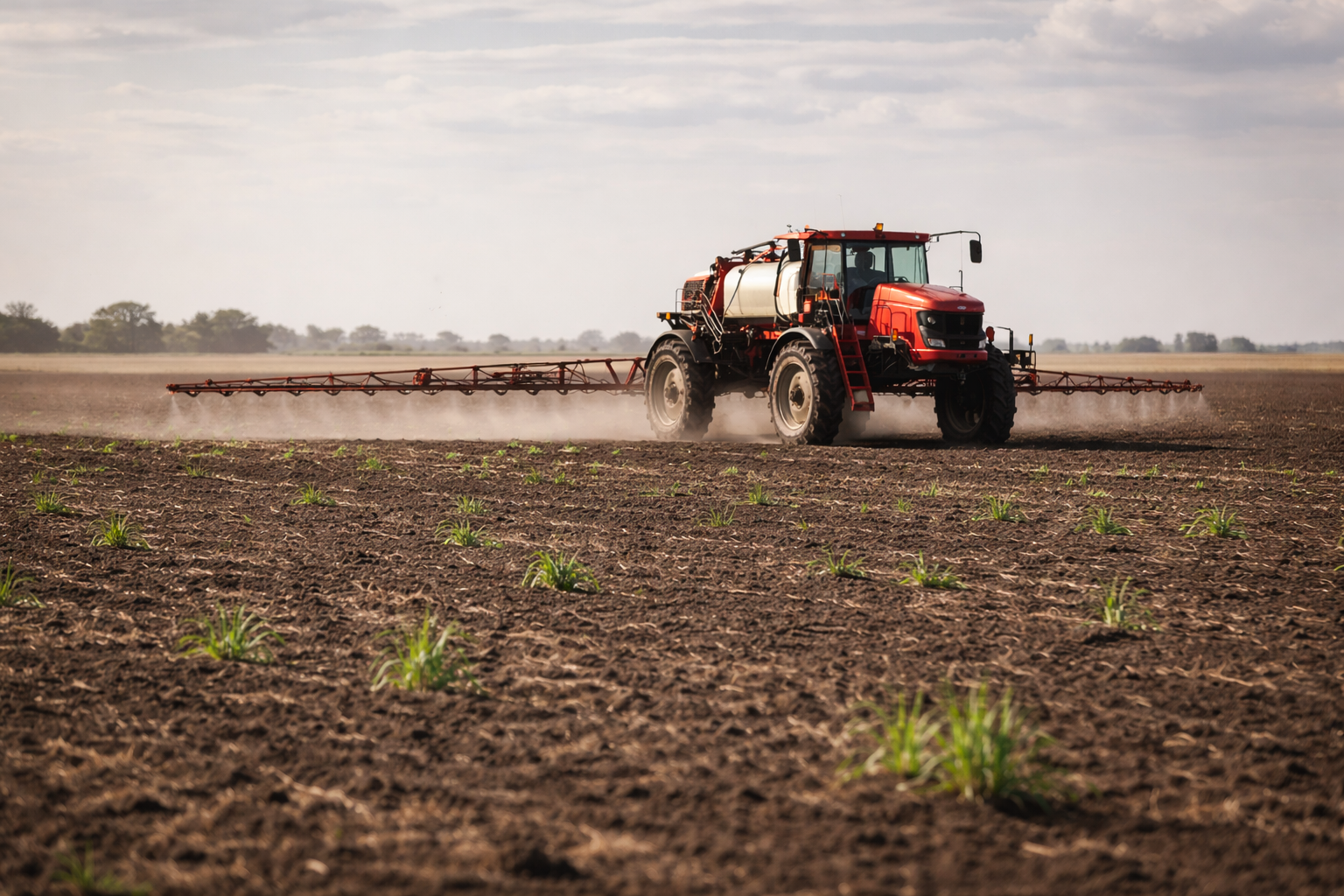
Spray timing in North West NSW isn't simple. A paddock that was ready at 6am can be off-limits by 9am. A fallow that should have been hit three weeks ago is now a weed factory. And a drift incident that could have been avoided costs more than the spray job ever would have.
This guide covers everything a farmer in the Gwydir region needs to know about crop spraying — from timing and weather to regulations, calibration, and technology. Each section links to a deeper article where you need it.