Herbicide Resistance: What Northern NSW Farmers Need to Know
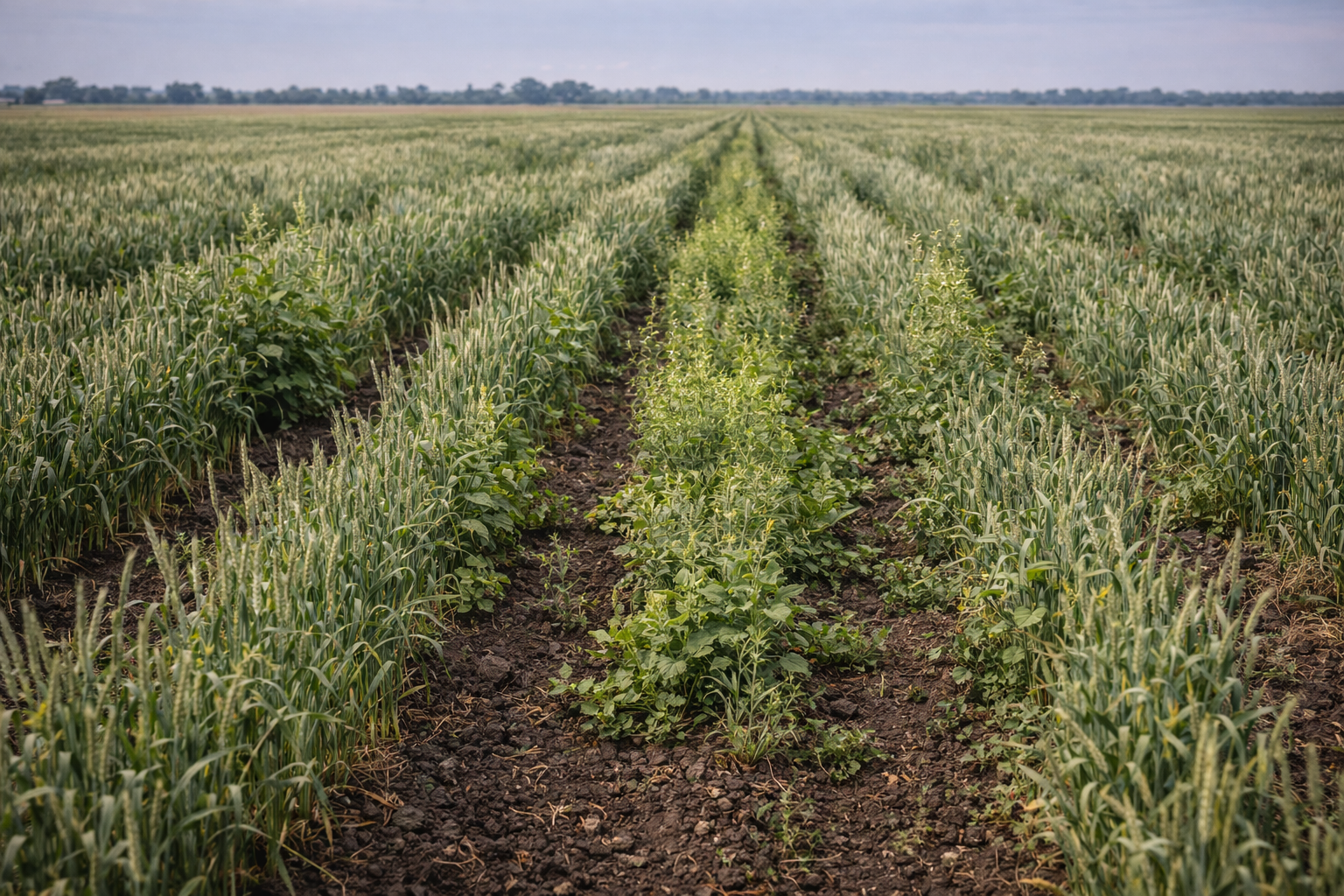
Herbicide resistance isn't coming to North West NSW. It's already here. Weed populations resistant to Group A, B, C, K and M herbicides have been confirmed across the northern grains region. Annual ryegrass, barnyard grass, fleabane, sowthistle — they're all on the confirmed list. And once a herbicide loses effectiveness on a paddock, you don't get it back. What you can do is slow the process and protect the chemistry that's still working.
How Resistance Develops
Every weed population contains a small proportion of individuals with natural tolerance to certain herbicide modes of action. Spray the paddock and the susceptible plants die while the tolerant ones survive and set seed. The next generation has a higher proportion of resistant individuals. Repeat that enough times with the same mode of action and you've done the selection work yourself.
As few as four to six applications of Group A or B herbicides to the same weed population can begin selecting for resistance. Group M, which is glyphosate, is more durable at typically 15 or more years, but resistance in fleabane and barnyard grass has already been confirmed in NSW. The clock is ticking on every product used repeatedly.
Rotating Modes of Action
Every registered herbicide kills weeds through a specific biological mechanism. Group A herbicides block one enzyme pathway in grasses. Group B blocks a different one. Group M disrupts the shikimate pathway. Using the same group on the same weed population season after season accelerates selection for individuals that can tolerate that mechanism.
The fundamental rule is not to use the same mode of action on the same weed population in consecutive seasons. Rotate groups. Mix groups. And use cultural and non-chemical tactics to reduce the overall reliance on herbicide. CropLife Australia's resistance management guidelines go through group-specific risks and strategies in detail.
Why Mixing Beats Rotating Alone
Research from GRDC and the Australian Herbicide Resistance Initiative consistently shows that mixing two effective modes of action in the same application is more powerful than rotating them separately across seasons. The logic is straightforward. A weed that survives MOA one has a much lower chance of also surviving MOA two applied at the same time.
The key word is effective. Mixing herbicides at reduced rates doesn't work and can actually accelerate resistance by allowing partially tolerant individuals to survive and reproduce. Full rate, different group, rotated across seasons — that's the discipline.
Integrated Weed Management for the Gwydir Region
WeedSmart's Big 6 strategy is worth understanding for anyone farming on the black soils of the Gwydir region. Not all six apply equally to every operation, but the more you can stack together, the stronger the overall program.
Diverse crop rotations: Summer and winter crops open up different herbicide groups and cultural control opportunities
Competitive crops: A dense, well-established crop competes aggressively with weeds before chemistry even comes into play
Mix and rotate MOAs: Never the same group twice on the same population in consecutive seasons
Harvest weed seed control: Chaff lining, narrow windrow burning, or weed seed destructors reduce seed return and keep the seedbank from building
Prevent seed set: Late-season spot-spraying or crop-topping to stop weed reproduction can be one of the highest-return investments in the program
Optical spot spraying is also a genuine resistance management tool, not just a cost-saving one. Applying chemistry only where weeds are present means less total selection pressure per season. Our article on spot spraying technology covers how WeedSeeker 2 works and what the savings look like in practice.
Pre-Emergent Herbicides
Pre-emergent herbicides have become increasingly important as resistance to post-emergent chemistry grows across the region. Resistance to trifluralin, which is Group D, is increasing in NSW after becoming widespread further south. New Group K and J products give additional modes of action to rotate into the program, but they need rotating too. Defaulting to the same pre-emergent every year because it's familiar is how resistance to new chemistry develops faster than it needs to.
Test Before You Assume
If a spray job underperforms, resistance isn't always the cause. Poor timing, wrong conditions, stressed weeds and incorrect rate all produce failed applications. Before writing off a product, send a weed sample to a resistance testing service. Commercial testing is available through the University of Adelaide and Plant Science Consulting. Knowing whether you have genuine resistance shapes the next three to five seasons of decisions on that paddock, which is worth considerably more than the cost of the test.
The connection between spray timing and resistance risk is real too. Missed windows build the seedbank, larger populations mean more selection pressure, and resistance develops faster. That argument is made in full in our article on the cost of delayed spraying.
Ready to book your spray?
Gwydir Crop Care is based in Moree and services farms across the Gwydir Valley and North West NSW within 100 km. Warren and the team are ChemCert-accredited, fully insured, and schedule around your season, whether that means early starts, late finishes, or getting on the phone when rain is forecast.
Call Warren: 0488 175 275 | warren@gwydircropcare.com.au | gwydircropcare.com.au